Panic Mode: My Loved One Is Being Discharged From the Hospital — and I’m Not Ready
If you’re reading this, chances are you just heard the words:
“They’re being discharged.”
And instead of relief, your body went into panic mode.
You may be thinking:
- How am I supposed to manage this at home?
- What equipment do we need?
- How will we get them safely from the hospital?
- What if something goes wrong?
You’re not alone — and more importantly, this feeling is normal.
Why Hospital Discharge Feels So Overwhelming
Hospital discharge often happens faster than families expect. Beds are needed, paperwork moves quickly, and suddenly you’re responsible for coordinating care that was just handled by an entire medical team.
As a nurse and certified case manager, I’ve seen this moment from both sides. Discharge isn’t just a medical event — it’s a transition of responsibility, and that weight lands squarely on families.
Panic doesn’t mean you’re unprepared.
It means you care.
Common Discharge Stressors Families Face
Most families experience panic because of unanswered questions like:
- How will my loved one get home safely, especially if they’re weak or in a wheelchair?
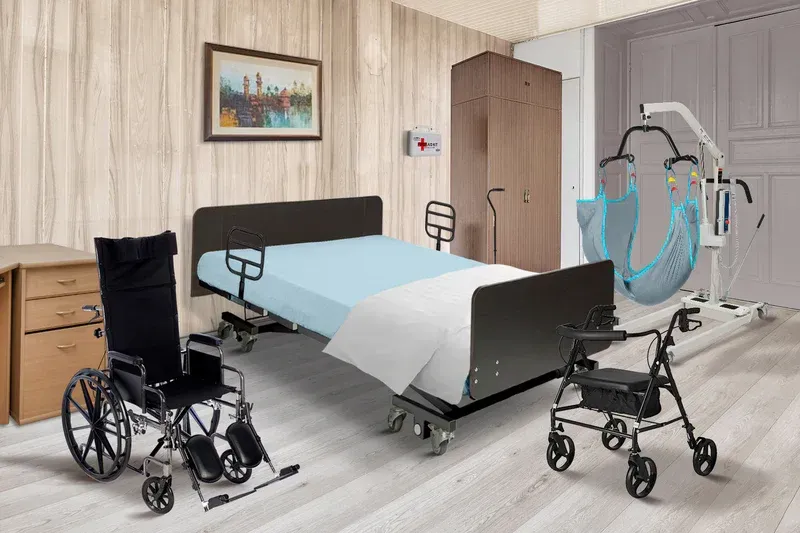
- Do we need a wheelchair, hospital bed, oxygen, or lift chair?
- What if they can’t walk, transfer, or get into a car?
- Who helps when I physically can’t?
These are logistical problems, not personal failures — and they are solvable with the right support.
Transportation Is Often the Missing Piece
One of the biggest stress points during discharge is transportation, especially when a loved one cannot safely get into a standard vehicle.
Wheelchair transportation removes a huge layer of anxiety by:
- Providing vehicles designed for medical discharges
- Ensuring safe wheelchair securement
- Offering trained, professional drivers who understand patient needs
- Allowing families to focus on emotional support instead of physical strain
This is often the moment where panic begins to soften into relief.
You’re Allowed to Ask for Help
There is a quiet myth that families should “figure it out” once someone is discharged. That simply isn’t true.
Case managers, nurses, and community-based services exist for a reason. Asking for help with medical transportation, mobility equipment, or discharge coordination is not weakness — it’s advocacy.
The goal is not perfection.
The goal is
safety, dignity, and calm.
From Panic to a Plan
When discharge feels overwhelming, start here:
- Pause and breathe — panic clouds decision-making
- Identify immediate needs: transportation, mobility, equipment
- Ask for clarification from the discharge team
- Accept support from professionals who do this every day
One steady step at a time is enough.
You Don’t Have to Do This Alone
At Lakeway Mobility, we work with families every day who are navigating the fear and uncertainty of hospital discharge. Our role is to make at least one part of that process feel safe, clear, and supported.
If you’re in panic mode right now, know this:
You’re not behind.
You’re not failing.
You’re stepping into a new phase of care — and support exists for this moment.